- 1201 Sheperd Drive, Houston Texas 77007
- +1 (713) 227-4747
- bnichols@bonicholslaw.com


The Modern Prenup
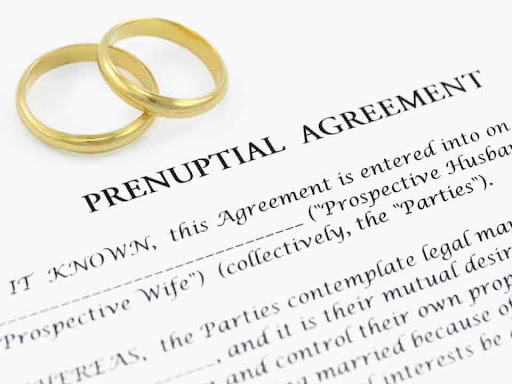
The Modern Prenup: Financial Clarity Before Marriage Starts
As a divorce
and family lawyer, one of the most important
conversations I have with clients—especially those preparing for marriage—is
about the value of a premarital agreement, also known as a prenuptial
agreement or prenup. While often misunderstood, a properly drafted
premarital agreement can protect both parties, clarify financial
expectations, and avoid lengthy disputes in the event of a divorce.
In this blog, I’ll explain what a premarital agreement is, who should consider one, what it can (and can’t) include, and why having one in place is often a smart legal decision in 2025.
In this blog, I’ll explain what a premarital agreement is, who should consider one, what it can (and can’t) include, and why having one in place is often a smart legal decision in 2025.
What Is Child Custody?
Child custody refers to
the legal and practical relationship between a parent and their child after
separation or divorce. It includes decisions about where the child lives,
who makes important choices about their upbringing, and how much time each
parent spends with the child.
Custody is generally broken down into two main types:
Custody is generally broken down into two main types:
What Is a Premarital Agreement?
A premarital
agreement is a legally binding contract entered
into by two people before marriage. It outlines how their assets, debts,
income, and other financial matters will be handled during the marriage and
in the event of divorce or death.
This document becomes effective upon marriage and must be entered into voluntarily, with full disclosure and typically independent legal counsel for each party to be enforceable.
This document becomes effective upon marriage and must be entered into voluntarily, with full disclosure and typically independent legal counsel for each party to be enforceable.
Why Consider a Premarital Agreement?
While no one enters a marriage expecting it to end, the
reality is that nearly half of all marriages do end in divorce. A prenuptial
agreement is not a sign of distrust or pessimism—it’s a proactive way to
protect both parties and minimize future legal battles.
Key Reasons to Get a Premarital Agreement:
Key Reasons to Get a Premarital Agreement:
- One or both spouses have significant premarital assets
- There are children from a prior marriage.
- One party owns a business or expects to inherit wealth.
- To establish rules about spousal support (alimony)
- To clarify responsibility for debts
- To prevent disputes over property division
In my legal practice, I often advise high-net-worth individuals,
entrepreneurs, and blended families to strongly consider a prenup as a
protective tool—not a plan for divorce.
What Can Be Included in a Premarital Agreement?
A premarital agreement can address a wide range of financial
and property-related issues. Here’s what it can include:
Common Provisions in a Prenup:
Common Provisions in a Prenup:
- Identification of separate vs. marital property
- Division of property and assets in the event of divorce
- Spousal support (including waivers or limits)
- Protection of family businesses or professional practices
Responsibility for premarital and marital debts
- Treatment of future inheritances
- Financial obligations during the marriage
What Can’t Be Included in a Premarital Agreement?
While prenups offer broad flexibility, certain provisions are not legally
enforceable.
Provisions That Are Not Allowed:
Provisions That Are Not Allowed:
- Child custody or child support terms (these are decided based on the child’s best interest at the time of divorce)
- Provisions that promote divorce (e.g., financial incentives to separate)
- Unfair or unconscionable terms that heavily favor one party
- Clauses that waive a party’s rights without adequate disclosure or legal representation
Courts will scrutinize prenups for fairness, especially if one party was
pressured, uninformed, or denied legal counsel.
How to Make a Premarital Agreement Enforceable
To ensure a premarital agreement holds up in court, it must meet certain
legal requirements. In my role as a family lawyer, I make sure that every
prenup we draft includes the following safeguards:
1. Full and Fair Disclosure
Each party must fully disclose their income, assets, debts, and financial
obligations. Hiding information can invalidate the agreement.
2. Voluntary Execution
Both parties must sign the agreement willingly, without coercion or duress.
Last-minute signing before the wedding is discouraged.
3. Independent Legal Counsel
It’s highly recommended (and in some jurisdictions, required) that each
party be represented by separate attorneys.
4. Written Agreement
Verbal agreements are not enforceable. A valid prenup must be in writing and
signed by both parties.
5. Fair and Reasonable Terms
While not necessarily equal, the agreement must be fair and cannot leave one
spouse destitute or unfairly enriched.
When Should You Start the Prenup Process?
Timing is everything when it comes to drafting a prenuptial agreement.
Ideally, you should start the process at least three to six months before
the wedding. This allows both parties time to:
Consult with our legal counsel.
Review financial disclosures
Negotiate terms without pressure.
Last-minute agreements are more likely to be challenged in court and may be deemed invalid if one party can show they were pressured.
Consult with our legal counsel.
Review financial disclosures
Negotiate terms without pressure.
Last-minute agreements are more likely to be challenged in court and may be deemed invalid if one party can show they were pressured.
Are Premarital Agreements Only for the Wealthy?
Not. While prenups are common among the wealthy, any couple can benefit from
a prenuptial agreement, especially if they:
- Want to protect personal or family property.
- Have unequal financial positions.
Are you entering a second marriage?
Plan to have one spouse take time off work for family or caregiving
Millennials are driving an increase in prenups, with more couples seeking to clarify financial expectations and protect future earnings.
Millennials are driving an increase in prenups, with more couples seeking to clarify financial expectations and protect future earnings.
What Happens if There’s No Prenuptial Agreement?
Without a premarital agreement, state laws will determine how your property
and debts are divided during a divorce. In community property states,
everything acquired during the marriage is split 50/50. In equitable
distribution states, courts divide assets fairly,
which may or may not be
equal.
Without a prenup, you’re placing control in the hands of a judge who doesn’t know your preferences or personal financial goals.
Without a prenup, you’re placing control in the hands of a judge who doesn’t know your preferences or personal financial goals.
Tips From a Divorce Lawyer: Drafting a Strong Prenup
Be transparent – Don’t hide anything. Full disclosure is essential.
Start early –Avoid rushing the process near the wedding date.
Hire your lawyer –Each party should have independent representation.
Keep it balanced –A one-sided agreement is likely to be challenged.
Update as needed – Life changes, and so can your prenup. Postnuptial agreements can modify original terms if both parties agree.
Start early –Avoid rushing the process near the wedding date.
Hire your lawyer –Each party should have independent representation.
Keep it balanced –A one-sided agreement is likely to be challenged.
Update as needed – Life changes, and so can your prenup. Postnuptial agreements can modify original terms if both parties agree.
Conclusion: A Smart Step Toward a Stronger Marriage
A premarital agreement isn’t about planning for divorce—it’s about entering
marriage with clarity, honesty, and legal protection. When done properly, a
prenup can strengthen your relationship by setting clear expectations and
avoiding financial surprises down the road.
As a divorce and family lawyer , I strongly encourage couples to at least have a conversation about a premarital agreement. It’s not about mistrust—it’s about mutual respect, transparency, and long-term security.
If you’re considering a prenup, speak to us to ensure your agreement complies with local laws and truly protects your interests.
As a divorce and family lawyer , I strongly encourage couples to at least have a conversation about a premarital agreement. It’s not about mistrust—it’s about mutual respect, transparency, and long-term security.
If you’re considering a prenup, speak to us to ensure your agreement complies with local laws and truly protects your interests.